Debit Note for Subscription – By Email
Beginning in 2026, debit notes and receipts for HKCA subscriptions will be issued via email. The debit note for the 2026 subscription was sent on 29 January 2026 from subscription@hkca.edu.hk.
Please ensure that your email address is current and accurate. If updates or corrections are required, kindly notify us by emailing subscription@hkca.edu.hk.
ASM 2026
The Annual Scientific Meeting 2026 will take place on 31 October – 1 November 2026 at the Hopewell Hotel, Wanchai. This year’s theme is Safety. Further details will be shared soon — stay tuned!
CMECPD Programme Review: Aligning with International Standards
Since the announcement of the CMECPD Programme for the 2026–2028 cycle, the Council has received valuable feedback from fellows. We acknowledge the concerns raised and recognise the significant implications for the professional competence of anaesthesiologists.
The current CME point system for anaesthesiologists in Hong Kong was first approved by the Hong Kong College of Anaesthesiologists (HKCA) in 1998. In 2005, a modern Credit Point System requiring 90 points per three-year cycle was introduced to align with the Hong Kong Academy of Medicine’s unified cycle. Subsequently, in 2008, a cap was imposed to limit “passive participation” to a maximum of 75 points per cycle, ensuring that professional development extended beyond attendance-based activities.
Contemporary continuing professional development (CPD) frameworks emphasise that maintaining specialist competence goes far beyond knowledge acquisition. Leading anaesthesia colleges — including the Australian and New Zealand College of Anaesthetists (ANZCA) and the Royal College of Anaesthetists (RCoA) — have adopted competency-based models. These frameworks typically require participation across multiple domains of practice, such as:
– Knowledge and skills development
– Quality assurance and improvement activities
– Peer interaction and multidisciplinary learning
– Reflection on clinical practice and outcomes
– Patient safety engagement and system improvement
By comparison, Hong Kong’s current CME system remains largely attendance-based rather than competency-driven.
In light of evolving international standards, the Council considers the existing CME framework “outdated” and in need of comprehensive review. A Task Force will therefore be established to conduct a detailed evaluation and develop recommendations within six months. The findings will be presented for discussion at the Hong Kong Annual Scientific Meeting 2026.
The Council remains committed to ensuring that our professional standards align with international best practice while safeguarding patient safety and public confidence. We value your engagement on this important issue and welcome continued dialogue as the review progresses.
Successful Launch of “Modern Medicine II” Exhibition
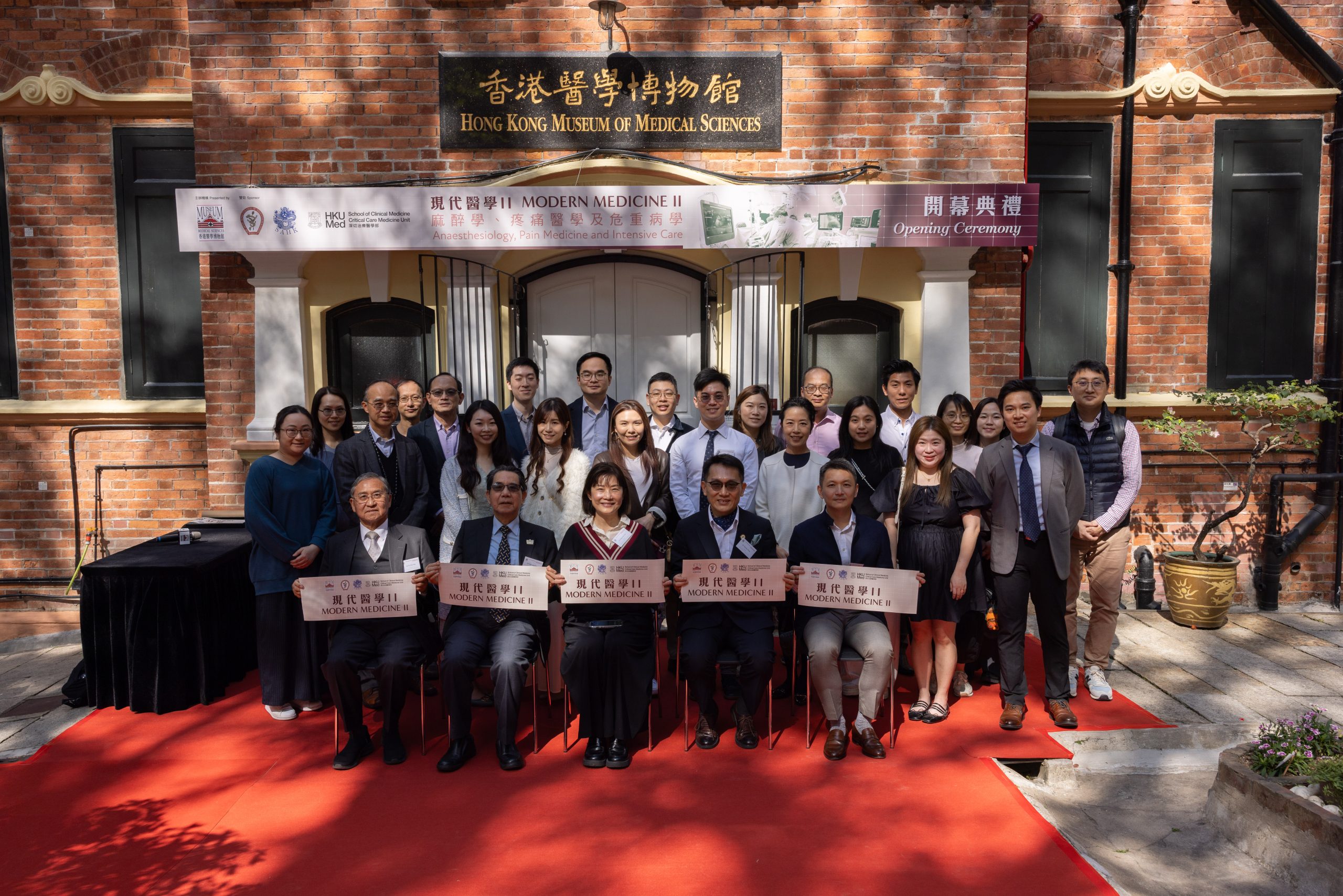
The Young Fellows Committee is delighted to report the successful opening of the public exhibition Modern Medicine II: Anaesthesiology, Pain Medicine and Intensive Care at the Hong Kong Museum of Medical Sciences on 14 March 2026.
This exhibition represents a significant effort by the Committee in public education. It highlights the history, development and important missions of our specialty.
Precious items have been proudly displayed, including:
• A pre-World War II blood transfusion system;
• A spinal cord stimulator for chronic pain management; and
• An extracorporeal membrane oxygenation (ECMO) system.
We would like to express our sincere gratitude to College and sponsors for their support to make this exhibition possible.
We warmly invite all College Fellows, Members, and their families to visit the exhibition and show your support for this meaningful public education initiative. The exhibition is open to the public and will run for one year.
* Call for Support: Historical Anaesthetic Equipment Collection
We also share a dedicated section featuring historical anaesthetic equipment in the Museum. The Young Fellows Committee is planning to enhance this section.
We are calling for your generous support! If you possess precious historical anaesthetic items and are willing to donate or lend them to the Museum, please contact the Young Fellows Committee. Your contribution will help preserve our specialty’s heritage and enrich public understanding.
* Upcoming Event: Medical History Interest Group Talk
We are pleased to announce an upcoming talk organised in collaboration with the Medical History Interest Group of the Hong Kong Museum of Medical Sciences. Esteemed speakers from our College will be sharing their insights.
Date: 11 April 2026 (Saturday)
Time: 2:00 p.m. – 5:00 p.m.
Venue: St. Paul’s Hospital
Further details will be provided in due course. We look forward to your participation and continued support.
Young Fellow Committee
(Patrick Wong, Emmanuel Cheung, Vivian Cheung, Kelvin Lo, Timothy Yang, Tom Chan)
Reflections from Dr Rosinni Wong
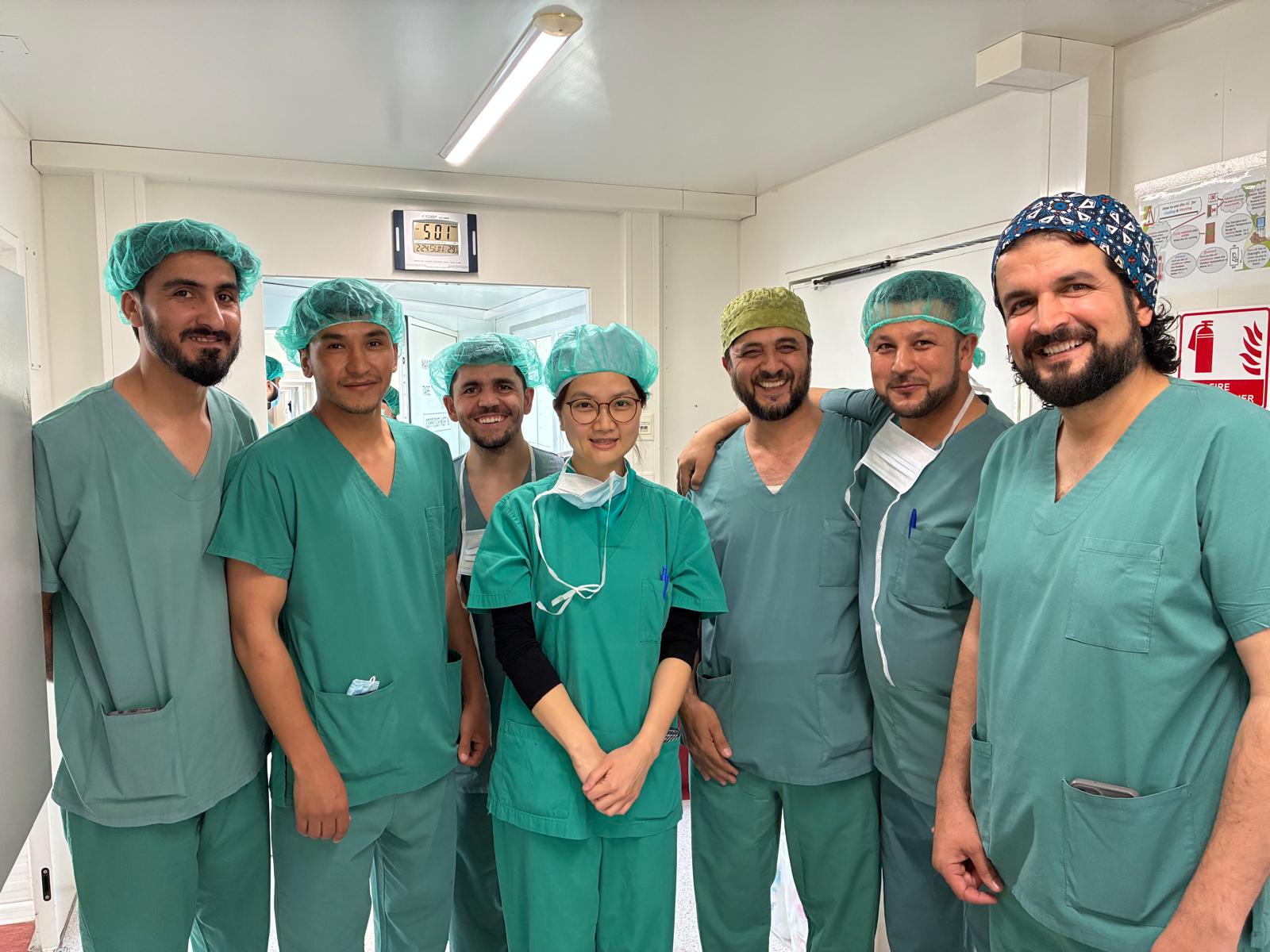
In 2025, I had the privilege to work as an anaesthetist in a trauma centre operated by the Médecins Sans Frontières in Afghanistan for two months. My role was to provide anaesthesia for trauma victims who required surgeries and to treat their pain. Medical supplies in Afghanistan are extremely limited and it was the first time my anaesthesia knowledge and skills were challenged by a low resource setting.
Some examples of the toughest situations I encountered included urgently intubating a stabbed man with complete transaction of the common carotid artery and swollen neck, anesthetising major burns patients with unprotected burnt airways, managing a critical child with severe chest trauma and respiratory failure, and treating a patient with flail chest under the situation of morphine shortage. The lack of skilled assistance and advanced airway equipment, limitation of ventilator performance, and the shortage of basic drugs made anaesthetic and pain management particularly challenging.
I have learnt that comprehensive healthcare facilities are not to be taken for granted, and we were especially fortunate to have easy access to medical care of very high standards in Hong Kong. I felt grateful for the training I have received in Hong Kong and for having the opportunities to serve in public hospitals for more than ten years. These experiences had equipped me with the knowledge and skills that were extremely useful and literally life-saving in these situations. I felt very blessed to have the opportunity to bring my professional assets to the people in Afghanistan.
Dr Rosinni Wong
Faculty Development Program for Supervisors of Training
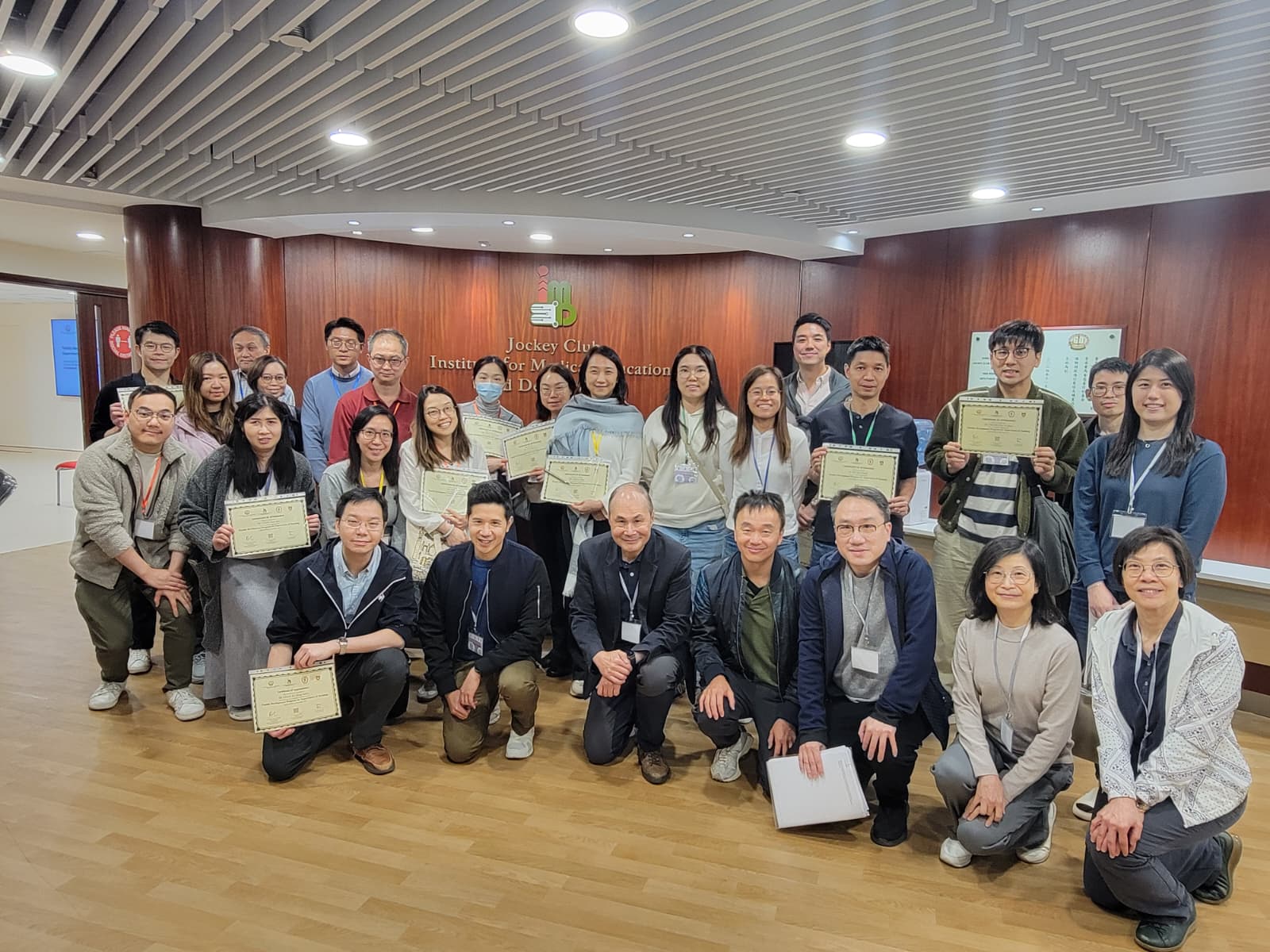
Co-organised by The Hong Kong College of Anaesthesiologists (HKCA), Hong Kong College of Physicians (HKCP), and the Jockey Club Institute for Medical Education and Development (JCIMED), the Faculty Development Program for Supervisors of Training was held on 20th December 2025.
The initiative aimed to strengthen supervisory skills, foster exchange of expertise, and prepare participants to take on supervisor roles in clinical learning environment within their specialties. The program highlighted collaboration, innovation, and a shared commitment to advancing medical education in Hong Kong.
A Tale of Two Paintings
Two masterpieces capture the first public demonstration of ether anaesthesia at Massachusetts General Hospital in 1846. Robert Hinckley’s The First Operation with Ether (1893) presents the event in a dramatic, operatic style, while Warren and Lucia Prosperi’s Ether Day, 1846 (2001) offers a vivid, historically precise, photo-realistic portrayal. Together, they show how art not only commemorates medical milestones but also shapes how we remember them.
Discover the full story here — click to read the article.